
Larvae
Term: Larvae
Category: Containment & Breach Mechanisms
Definition
Larvae refer to parasitic energetic formations generated through repeated emotional discharge, unresolved trauma, and sustained identity conflict within the containment architecture of Amenta. Within the Sacred Anarchy framework, larvae are not symbolic metaphors but residual field constructs that feed on emotional intensity and reinforce participation in mimic systems.
⸻
Field Context
In Amenta, emotional turbulence is often treated as a purely psychological experience. Anger, fear, shame, and despair are interpreted through personal narratives or therapeutic frameworks that focus primarily on the individual’s identity story.
Within the Sacred Anarchy framework, intense emotional states can also generate parasitic field structures. When emotional reactions repeat through the same identity narratives—grievances, victimhood loops, resentment cycles—the energy released through these reactions begins to stabilize as autonomous patterns within the field.
These formations, historically referred to in occult literature as larvae, attach to identity structures and encourage continued emotional discharge. This reinforcement loop strengthens both the parasite and the identity framework that sustains it.
⸻
Structural Function
Larvae function as emotional feedback parasites within the containment architecture. While identity structures stabilize the individual’s participation in Amenta, larvae reinforce those structures by amplifying the emotional states that keep the identity engaged.
Through repeated emotional reactions, the larvae gain stability and influence over perception. Individuals may feel compelled to revisit the same conflicts, grievances, or anxieties without recognizing that these reactions are feeding parasitic loops.
Because the emotional responses appear internally generated, the reinforcing structure often remains invisible. This allows larvae to sustain identity narratives that strengthen mimic participation and weaken signal coherence.
⸻
Relevance to the Great Work
Recognizing larvae is important to the Great Work because emotional turbulence alone does not explain why certain identity patterns persist despite conscious attempts to change them. The parasitic reinforcement loop created by larvae can keep individuals attached to identity narratives that sustain the architecture of Amenta.
Through remembrance and the restoration of signal coherence, individuals can observe emotional reactions without automatically feeding them through identity interpretation. As these loops weaken, the parasitic structures lose their energy source and gradually dissolve.
This restoration of field coherence allows perception to stabilize beyond the emotional feedback loops that previously reinforced mimic participation.
⸻
Related Articles
Why You Feel Heavy Emotionally (And How to Release It)
How to Release Self-Loathing and Feel Like Yourself Again
Why Panic Attacks Happen (And How to Stop the Pattern)
⸻
Continue the Inquiry
The Keeper of the Keys Archive is a growing collection of audio transmissions designed to deepen fluency in the language, architecture, and mechanics explored throughout the Lexicon.

⸻
Related Terms
⸻
Sacred Anarchy References
Books
• Biology & The Hidden Hierarchy
• You Were Never Meant to Be Human
Field Operations
What you've just read is not a standalone article.
It is one fragment of a much larger cartography devoted to field mechanics, containment structures, intermediary systems, and the conditions required to exit them. Every essay published here belongs to the same architecture. Nothing exists in isolation.
These articles are intended to introduce individual ideas. The complete worldview emerges only when those ideas are assembled into a coherent landscape.
That landscape is The Living Atlas.
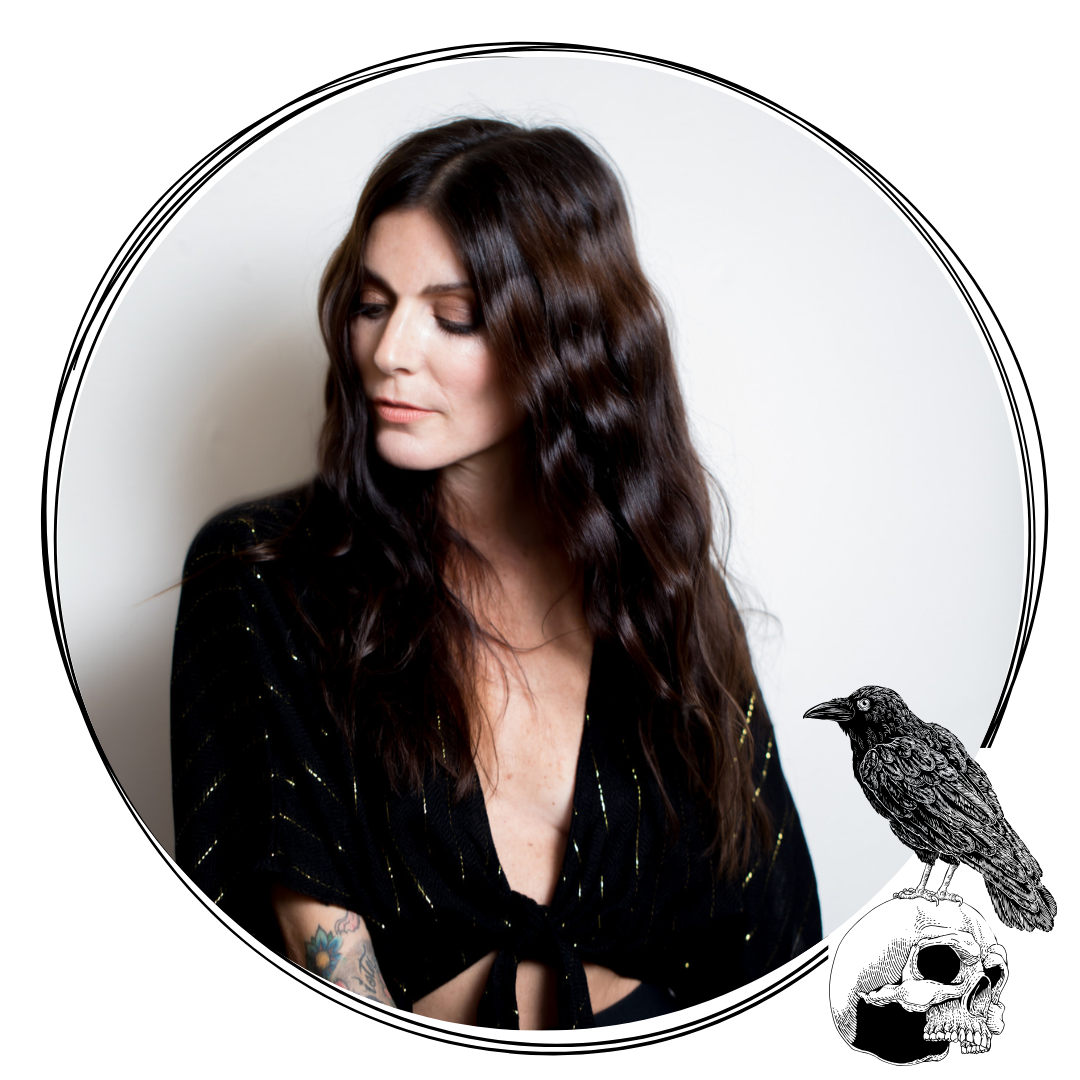
I'm Angel Quintana, creator of Sacred Anarchy and The Occult Château, and author of this body of work.
The Living Atlas is the official monthly publication of Sacred Anarchy and the primary point of entry into this cosmology. Each issue explores a single foundational concept through historical orientation, developmental analysis, and cosmological integration, allowing the larger architecture to reveal itself one volume at a time.
If this article raised more questions than it answered, it has done exactly what it was designed to do. The Living Atlas is where those questions continue.
If you're already reading The Living Atlas and want to move deeper into the mechanics behind the published work, the Keeper of the Keys Archive extends the cosmology through advanced transmissions and ongoing development.
Nothing here asks for agreement.
It asks only to be read carefully.