

Why You Feel Controlled by Others (And How to Take Your Power Back)
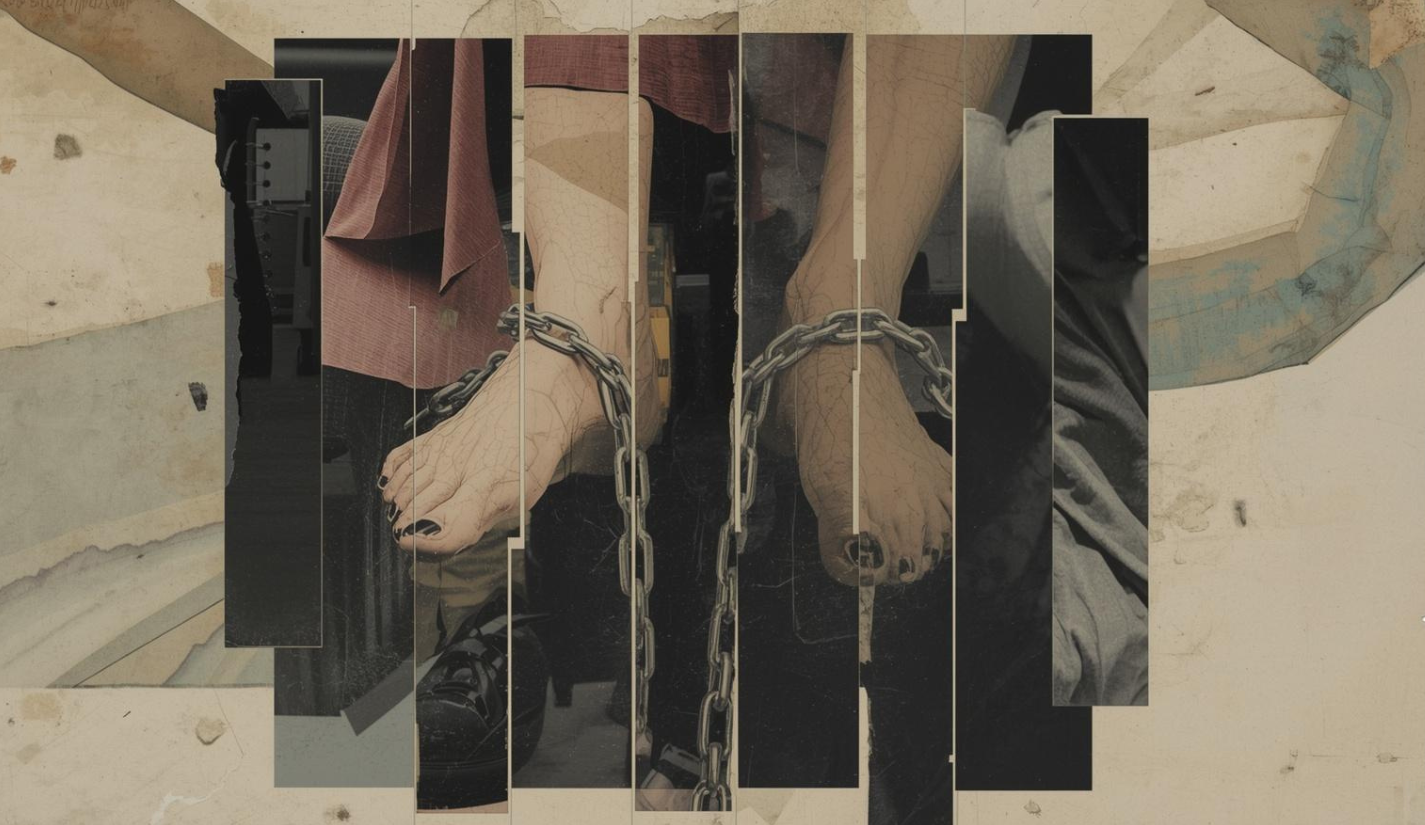
Feeling controlled by others doesn’t always look obvious. It can show up in small moments, hesitating before you speak, adjusting what you say so it lands better, or feeling like your decisions aren’t entirely your own. You might go along with things you don’t fully agree with, not because you want to, but because it feels easier than pushing back. And even when nothing is being said directly, there can still be a sense that your actions are being shaped by something outside of you.
Over time, this can start to feel normal. You learn how to read people, anticipate reactions, and adjust yourself accordingly. It can look like being considerate or adaptable, but underneath it, there’s often a subtle pressure, an awareness that your choices are influenced by how they’ll be received. Even when you try to assert yourself, there can be a pull to second-guess it, soften it, or walk it back.
What makes this frustrating is that it doesn’t fully resolve through awareness alone. You might recognize that you’re people-pleasing, or that you’re giving your power away, and still find yourself doing it again in the next situation. You can decide to be more direct, more confident, more self-assured and then something shifts, and you’re back in the same pattern, adjusting yourself in ways you didn’t intend to.
At a certain point, the question changes. Not “how do I stand up for myself?” but why it feels like your responses are being shaped before you even have a chance to choose them, why the same dynamic keeps repeating, even when you’re aware of it and trying to change it. Because something that consistently overrides your own direction isn’t just a habit. It’s a pattern that hasn’t been interrupted.
Why You Feel Controlled by Others Even When You Try to Assert Yourself
Feeling controlled by others doesn’t usually come from someone actively directing you all the time. It comes from something that interrupts your own response before it fully forms. There’s a moment where you know what you want to say or do, but it doesn’t land cleanly. It gets adjusted, filtered, or redirected based on how it might be received. That interruption is what creates the sense of being controlled, not because someone else is deciding for you in real time, but because your response isn’t reaching completion.
When something moves cleanly, it doesn’t need to be revised. There’s no internal negotiation, no second-guessing, no need to soften or reshape it. It forms, it lands, and it holds. But when that process is disrupted, the response doesn’t complete. It loops. You revisit it, adjust it, question it, or replace it with something safer. Over time, that creates a pattern where your natural response is consistently overridden before it can fully express itself.
The thoughts that come with this (“I should be more careful,” “this might upset them,” “it’s not worth it”) feel like decisions you’re making in the moment, but they’re often the output of that interruption. They appear quickly and convincingly, making it seem like you’re choosing to hold back. But what’s actually happening is that the original response never had a chance to fully land.
This is why awareness doesn’t immediately change it. You can recognize that you’re adjusting yourself, you can understand that you’re giving your power away, and still find yourself doing it again. Because seeing the pattern doesn’t stop the interruption that’s causing it. And the more you engage with it (trying to correct yourself, justify your response, or manage how you come across) he more the loop continues. So the issue isn’t just confidence or boundaries. It’s that something is interfering with your ability to follow through on your own signal without interruption.
Larvae and Why Feeling Controlled by Others Doesn’t Stop
Most people try to fix feeling controlled by others by setting boundaries, speaking up more, or working on confidence. And while those things can help in the moment, they don’t always hold. You might assert yourself in one situation, only to find yourself adjusting again in the next. The same hesitation returns, the same second-guessing, the same subtle override of what you actually wanted to say or do. That kind of repetition isn’t just habit; it’s a pattern that continues to run. If it were only about behavior, a single clear decision would change it. The fact that it resets means something deeper is still active.
This is where the term larvae becomes useful. Larvae are parasitic formations that continue because they draw continuity from attention, reaction, and emotional charge. In this case, the pattern feeds on anticipation, social pressure, and the internal adjustments you make in response to others. It doesn’t require direct control from someone else to stay active—it maintains itself through the way your responses get filtered and reshaped before they fully land. Even subtle engagement (replaying an interaction, questioning your response, or trying to get it “right”) can keep you connected to the pattern long enough for it to continue.
This is why insight doesn’t stop it. You can recognize that you’re giving your power away, you can understand the dynamic clearly, and you can intend to change it and still find yourself repeating the same response. Awareness doesn’t interrupt the structure that’s overriding your signal. It only makes you more aware of it while it happens. As long as that structure remains intact, the pattern continues, regardless of how much you understand it.
Which means the goal isn’t to manage your reactions better or process the dynamic more deeply.
It’s to interrupt the pattern so it can no longer continue to run.
Recommended Apothecary Tool
WORMWOOD — Evicts Control Entity
→ [Wormwood Formula]
Reclaim internal authority
Related Symptoms
Feeling Disconnected? How to Come Back to Yourself
Control Issues: What Causes Them and How to Let Go
Glossary
• Collapse
Frequently Asked Questions
What causes feeling controlled by others?
It’s not just about other people’s behavior. The feeling follows a pattern—your responses get filtered, adjusted, or overridden before they fully land. What you’re experiencing is a consistent interruption that repeats across situations.
Why do I keep feeling controlled even when I try to set boundaries?
Because the pattern hasn’t been interrupted. You can change your behavior in the moment, but the same internal override can still activate the next time. The repetition continues not because you’re failing, but because something is still active underneath it.
How can I stop feeling controlled by others naturally?
Not by forcing stronger reactions, but by interrupting the pattern that reshapes your responses. When that loop stops, your actions follow through cleanly—because there’s nothing left interfering with them.

What you've just read is not a standalone article.
It is one fragment of a much larger cartography devoted to field mechanics, containment structures, intermediary systems, and the conditions required to exit them. Every essay published here belongs to the same architecture. Nothing exists in isolation.
These articles are intended to introduce individual ideas. The complete worldview emerges only when those ideas are assembled into a coherent landscape.
That landscape is The Living Atlas.

I'm Angel Quintana, creator of Sacred Anarchy and The Occult Château, and author of this body of work.
The Living Atlas is the official monthly publication of Sacred Anarchy and the primary point of entry into this cosmology. Each issue explores a single foundational concept through historical orientation, developmental analysis, and cosmological integration, allowing the larger architecture to reveal itself one volume at a time.
If this article raised more questions than it answered, it has done exactly what it was designed to do. The Living Atlas is where those questions continue.
If you're already reading The Living Atlas and want to move deeper into the mechanics behind the published work, the Keeper of the Keys Archive extends the cosmology through advanced transmissions and ongoing development.
Nothing here asks for agreement.
It asks only to be read carefully.