

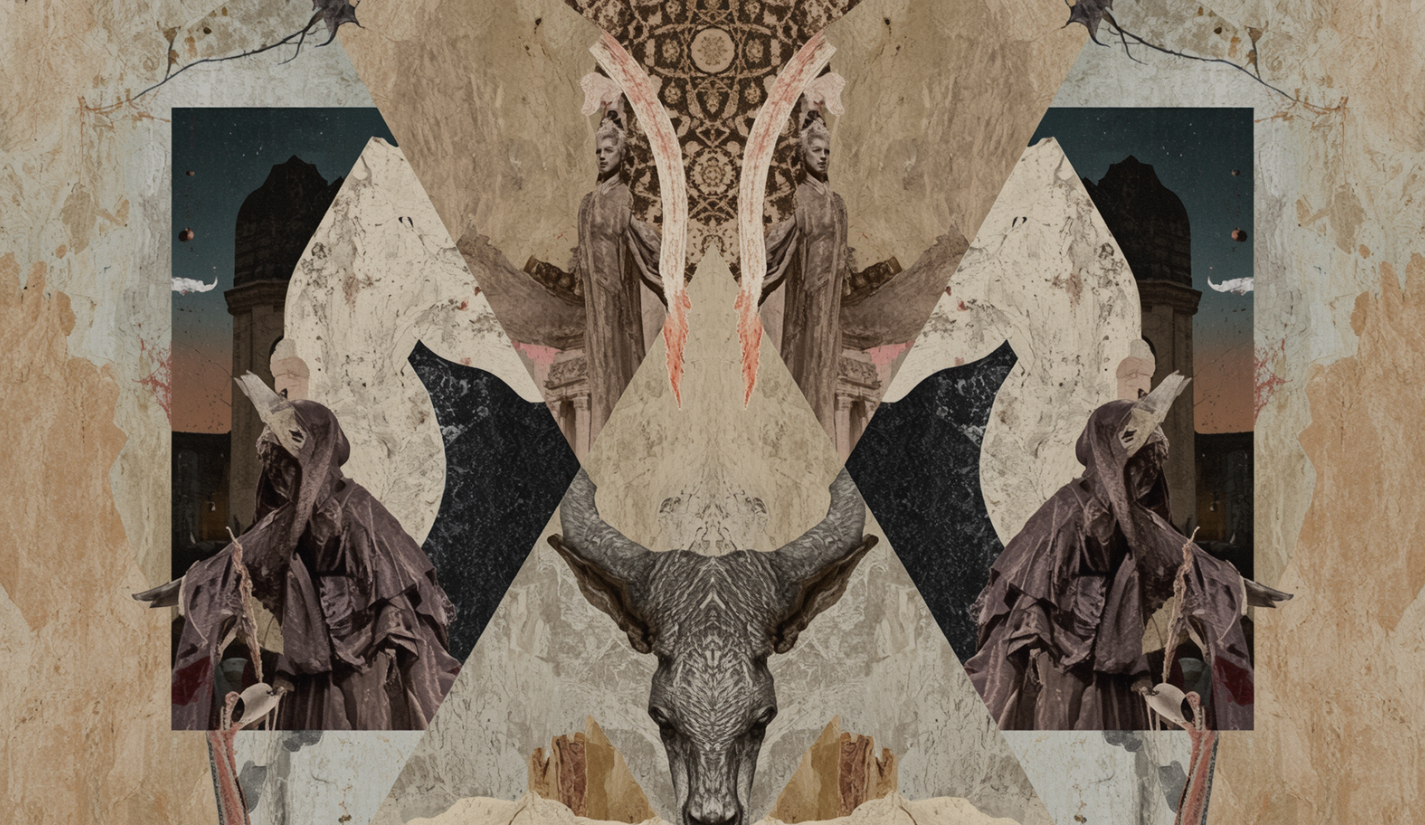
An idea can become compelling long before reality has had anything to say about it. A new project already has an imagined future. A place you’ve never visited acquires an atmosphere from photographs. A person, opportunity, or possibility begins accumulating qualities that were never actually observed. Eventually the picture feels complete, even though much of it was assembled in the absence of evidence.
The interesting part is what happens next. Once an imagined version becomes convincing, new information rarely enters an empty field. It enters one that has already been organized. We notice what fits. We explain what doesn’t. Sometimes reality eventually confirms what we imagined. Sometimes it doesn’t. But there is a peculiar interval before either happens in which expectation can masquerade as observation—and we may no longer remember which evidence actually produced the conclusion.
Inquiry
What have you concluded without being able to identify the evidence that convinced you?