
Watching the World Burn? The Spectator Class and the Illusion of Participation
Never before have so many people spent so much of their day watching lives they will never live. Political campaigns unfold in real time. Celebrity relationships become daily conversation. Wars, financial markets, criminal trials, corporate scandals, and internet controversies arrive one after another, each demanding attention before quietly giving way to the next. At any moment, a person can know more about the private life of a stranger than they do about the neighbor living next door.
This constant exposure creates an unusual experience. We follow the stories. We anticipate developments. We celebrate victories, mourn losses, argue over outcomes, and form strong opinions about people we will never meet. The body reacts as though something personally significant is unfolding. Attention becomes emotionally invested even when nothing about our own participation has changed.
A spectator feels involved without ever becoming responsible. That distinction is easy to overlook because observation can feel remarkably similar to participation. Watching, commenting, sharing, and reacting all create the sensation of engagement. Yet experiencing an event and authoring reality are fundamentally different conditions. One changes what you feel. The other changes what exists.
This investigation is not asking whether staying informed has value. Awareness is not the condition under examination. It asks a different question entirely. What is Amenta feeding on when watching quietly begins to feel like participating, and when does observation become convincing enough to replace authorship itself?
Why Observation Feels Like Action
Watching an event unfold often produces an experience that feels remarkably similar to participation. A breaking news story appears on your phone, and within minutes your attention is fully absorbed. You watch interviews, read updates, listen to experts, and follow every new development. By the end of the day, you may feel emotionally exhausted, even though nothing about your own life has actually changed. Information has created the sensation of involvement.
The same pattern appears across modern media. Someone follows every twist of a high-profile criminal trial as though they were sitting in the courtroom. Another spends hours analyzing election coverage despite having no role in the campaign itself. Millions watch entrepreneurs build companies, influencers renovate homes, athletes chase championships, and celebrities navigate public scandals. Entire communities gather online to discuss, predict, celebrate, and condemn events taking place in lives completely separate from their own.
None of this is inherently harmful. Paying attention can deepen understanding, expand perspective, and cultivate empathy. The maintenance condition appears when observation quietly begins replacing participation. It becomes possible to spend an entire evening reacting to someone else’s business, someone else’s relationship, someone else’s success, or someone else’s crisis while never once participating more deeply in your own life.
The Black Box operating system makes this substitution almost invisible because the body often cannot distinguish between emotional investment and direct participation. Your heart races. Your attention narrows. Opinions form. You feel engaged. Yet authorship has not necessarily occurred. Feeling involved and changing reality are fundamentally different conditions. One fills your awareness with events. The other asks you to become an active participant within your own.
The Spectator Class participates emotionally in realities it rarely participates in directly.
Field Observation
The Economy of Endless Attention
Spend a few minutes with any news feed and a pattern quickly emerges. A political controversy dominates the morning. By afternoon, a corporate scandal has replaced it. Before evening, attention has shifted to a celebrity interview, a financial crisis, a natural disaster, or another developing story somewhere else in the world. Yesterday’s emergency quietly disappears beneath today’s. The cycle continues with remarkable consistency, not because the world suddenly became more chaotic, but because attention is always searching for its next destination.
The stories themselves are rarely the issue. Many deserve careful reporting and thoughtful discussion. What deserves investigation is the rhythm they create. Resolution has very little economic value. A story that concludes no longer demands daily updates, expert analysis, reaction videos, or endless commentary. Unfinished stories, by contrast, invite continual return. There is always another development to follow, another prediction to hear, another opinion to consider.
This creates an economy built around sustained attention rather than completed understanding. Audiences become emotionally invested in events that remain perpetually unresolved. Before one narrative has time to settle, another immediately takes its place. The mind is constantly occupied with what is unfolding somewhere else, while very little space remains to notice what is unfolding directly within one’s own participation.
The Spectator Class is not sustained by information alone. It is sustained by continuity. The Black Box operating system quietly benefits from attention that is continually redirected outward because spectatorship is difficult to interrupt when there is always another story demanding urgency. The result is not necessarily greater understanding of the world. It is the gradual normalization of living as a permanent observer within it.
Reacting Becomes the New Doing
Watching is no longer the final step. Modern media is designed to invite a response. Beneath nearly every article, video, or post is an opportunity to react. Leave a comment. Share your opinion. Repost it. Defend your position. Predict what happens next. Celebrate one outcome. Condemn another. Participation increasingly becomes measured by visible reaction rather than direct creation.
This creates an important psychological shift. Writing a passionate comment on a political debate can feel like civic engagement. Arguing beneath a news story can feel like meaningful involvement. Sharing an article with a short opinion can create the sensation that something important has been contributed. The emotional experience is real. The question is whether anything has actually been authored beyond another reaction entering an already crowded stream.
The distinction becomes easier to see outside the digital world. Imagine standing outside a construction site where hundreds of people are shouting instructions from behind the fence while only a handful are actually building. The noise may be constant. The opinions may be passionate. Yet the building rises because of the work being done inside the fence, not because of the commentary surrounding it. Reaction and creation are fundamentally different forms of participation.
This is where the Spectator Class quietly expands. Amenta rewards reaction because reaction creates the feeling of involvement without requiring the responsibility of authorship. It is far easier to respond to what someone else has created than to originate something that did not exist before. Gradually, the appearance of contribution begins replacing contribution itself, until reacting feels so complete that creating no longer seems necessary.
Amenta rewards spectatorship because watching creates the feeling of involvement without requiring authorship.
Field Observation
The Spectator Class: A Culture Organized Around Observation
The Spectator Class is not defined by wealth, education, political affiliation, or profession. It includes executives, students, retirees, entrepreneurs, artists, and professionals alike. What unites them is not who they are, but how they participate. Observation gradually becomes their primary relationship with the world. They know what is happening almost everywhere except in the places where their own authorship is most needed.
Someone can explain the latest political controversy in remarkable detail yet avoid the difficult conversation waiting at home. Another follows every market movement while postponing the business they have wanted to build for years. Someone else can recount the private lives of celebrities, influencers, and internet personalities while feeling increasingly disconnected from the friendships sitting quietly around them. Their attention is highly active. Their participation has slowly become displaced.
The condition is easy to overlook because it often appears informed, engaged, and culturally aware. The Spectator Class does not lack opinions. It often has more information than any previous generation. The question is not whether that information has value. It is whether constant observation has quietly become a substitute for direct participation. Knowing what is happening everywhere can create the comforting feeling that you are deeply involved while your own life continues waiting just beyond the screen.
This is one of the Black Box operating system’s quietest substitutions. The world gradually becomes something to monitor instead of something to author. Attention flows outward toward an endless stream of events, while Signal waits patiently for participation to return to what is actually yours to create. Amenta does not require people to stop caring about the world. It only requires that caring increasingly take the form of observation rather than authorship.
Watching Replaces Living
Attention is one of the few resources that can never be replenished. Every hour spent following someone else’s reality is an hour that cannot be given to your own. This is not because awareness is harmful, but because participation always requires attention. Where attention consistently goes, life gradually begins organizing itself. The question is not whether the world deserves your awareness. It is whether someone else’s story has quietly become more inhabited than your own.
The substitution is often subtle. A person can follow every development in a political campaign while barely knowing the names of the people living on their own street. Someone spends hours discussing the latest celebrity breakup while their own relationship slowly settles into silence. Another closely tracks the successes and failures of entrepreneurs online while postponing the business they have wanted to start for years. None of these choices seem significant in isolation. Together, they reveal a pattern. Other people’s lives become increasingly vivid while your own remains largely observed rather than authored.
This is what makes the condition so difficult to recognize. The emotional investment is genuine. You celebrate victories, mourn tragedies, feel anger, hope, anxiety, and relief. Your nervous system participates as though these events belong to your own life. Yet when the screen goes dark, very little in your immediate world has actually changed. The experience has been real. The participation has largely been borrowed.
The investigation has never been about becoming less informed. It is about noticing when awareness quietly becomes a substitute for authorship. The Black Box operating system thrives when attention remains continually directed toward realities that require no direct participation. The Spectator Class feeds Amenta not because it watches the world, but because watching gradually becomes convincing enough to replace the difficult, uncertain work of living one life that can actually be changed.
The Illusion of Participation: Feeling Involved Is Not the Same as Participating
One of media’s greatest strengths is its ability to create the feeling that something meaningful has happened simply because attention has been deeply engaged. You finish a three-hour podcast and feel productive. You watch a documentary and feel informed. You subscribe to another newsletter, follow another expert, save another video, and add another book to your reading list. Each experience creates the satisfying sensation that you have moved forward in some important way, even when nothing in your own participation has actually changed.
The same pattern appears everywhere. You binge videos about starting a business without ever speaking to your first customer. You consume hours of relationship advice while avoiding the conversation that needs to happen with your partner. You listen to podcasts about health while postponing the daily walk you promised yourself you would begin. You spend an evening researching creativity instead of creating. The information is real. The emotional investment is real. The movement is often imagined.
This is the subtle illusion the Spectator Class lives within. The body responds to observation as though it were participation. Curiosity is satisfied. Emotion is activated. Opinions become sharper. It becomes surprisingly easy to mistake consuming reality for contributing to it. The appearance of movement quietly replaces movement itself because learning about life begins feeling remarkably similar to living it.
Participation leaves fingerprints on reality. Something exists afterward that did not exist before. A conversation is held. A business is started. A garden is planted. A book is written. A relationship is repaired. Spectatorship leaves a different kind of trace. It changes what you know, what you feel, and what captures your attention. Those experiences have value, but they are not the same condition. The Black Box operating system depends upon that distinction becoming increasingly difficult to recognize.
Where Are You Actually Participating?
The issue has never been whether people should stay informed. Awareness has value. Understanding the world matters. The investigation begins when awareness quietly becomes convincing enough to replace authorship. Watching and participating can feel remarkably similar because both produce emotional investment. Only one leaves fingerprints on reality.
The question is no longer:
What’s happening in the world?
It becomes:
Where am I actually participating?
The Spectator Class rarely abandons the world. It becomes deeply immersed in it. Stories are followed. Opinions are formed. Reactions are shared. Yet the center of gravity quietly shifts away from direct participation and toward continuous observation. The world becomes something to monitor instead of something to author.
The Spectator Class feeds Amenta through authorship replaced by spectatorship. Watching the world changes what you know. Participating in the world changes what exists. The difference is not measured by how much attention you give reality. It is measured by whether reality bears the unmistakable imprint of your participation.
Related Articles
• Why You Feel Disconnected From Your Origin
• What Is “Crossing the Abyss?”
• The Roadmap Out of Hell Was Hidden. Until Now.
Glossary
• Signal

What you've just read is not a standalone article.
It is one fragment of a much larger cartography devoted to field mechanics, containment structures, intermediary systems, and the conditions required to exit them. Every essay published here belongs to the same architecture. Nothing exists in isolation.
These articles are intended to introduce individual ideas. The complete worldview emerges only when those ideas are assembled into a coherent landscape.
That landscape is The Living Atlas.
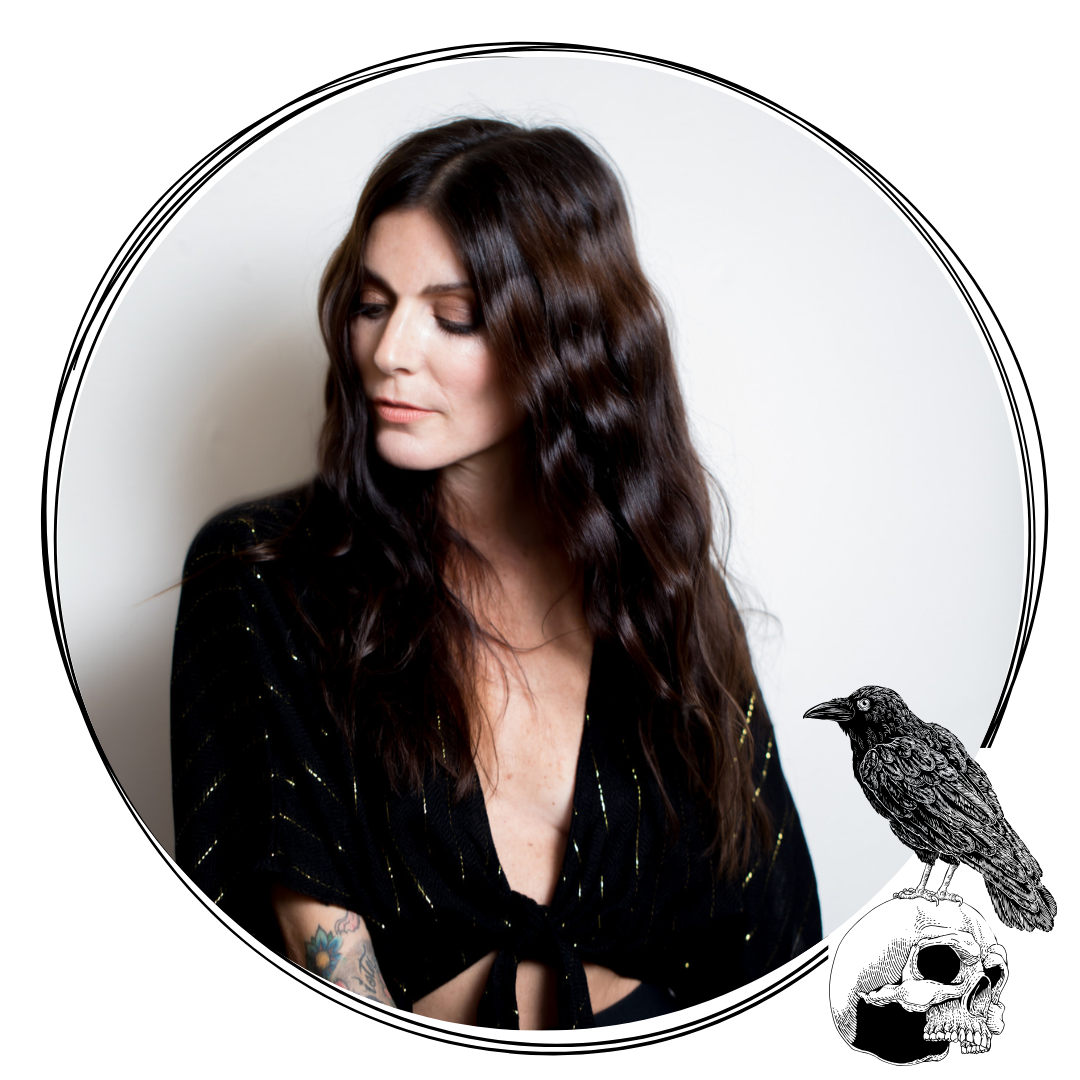
I'm Angel Quintana, creator of Sacred Anarchy and The Occult Château, and author of this body of work.
The Living Atlas is the official monthly publication of Sacred Anarchy and the primary point of entry into this cosmology. Each issue explores a single foundational concept through historical orientation, developmental analysis, and cosmological integration, allowing the larger architecture to reveal itself one volume at a time.
If this article raised more questions than it answered, it has done exactly what it was designed to do. The Living Atlas is where those questions continue.
If you're already reading The Living Atlas and want to move deeper into the mechanics behind the published work, the Keeper of the Keys Archive extends the cosmology through advanced transmissions and ongoing development.
Nothing here asks for agreement.
It asks only to be read carefully.