
Kundalini Awakening Explained: Why Spiritual Awakening Isn’t the Final Threshold
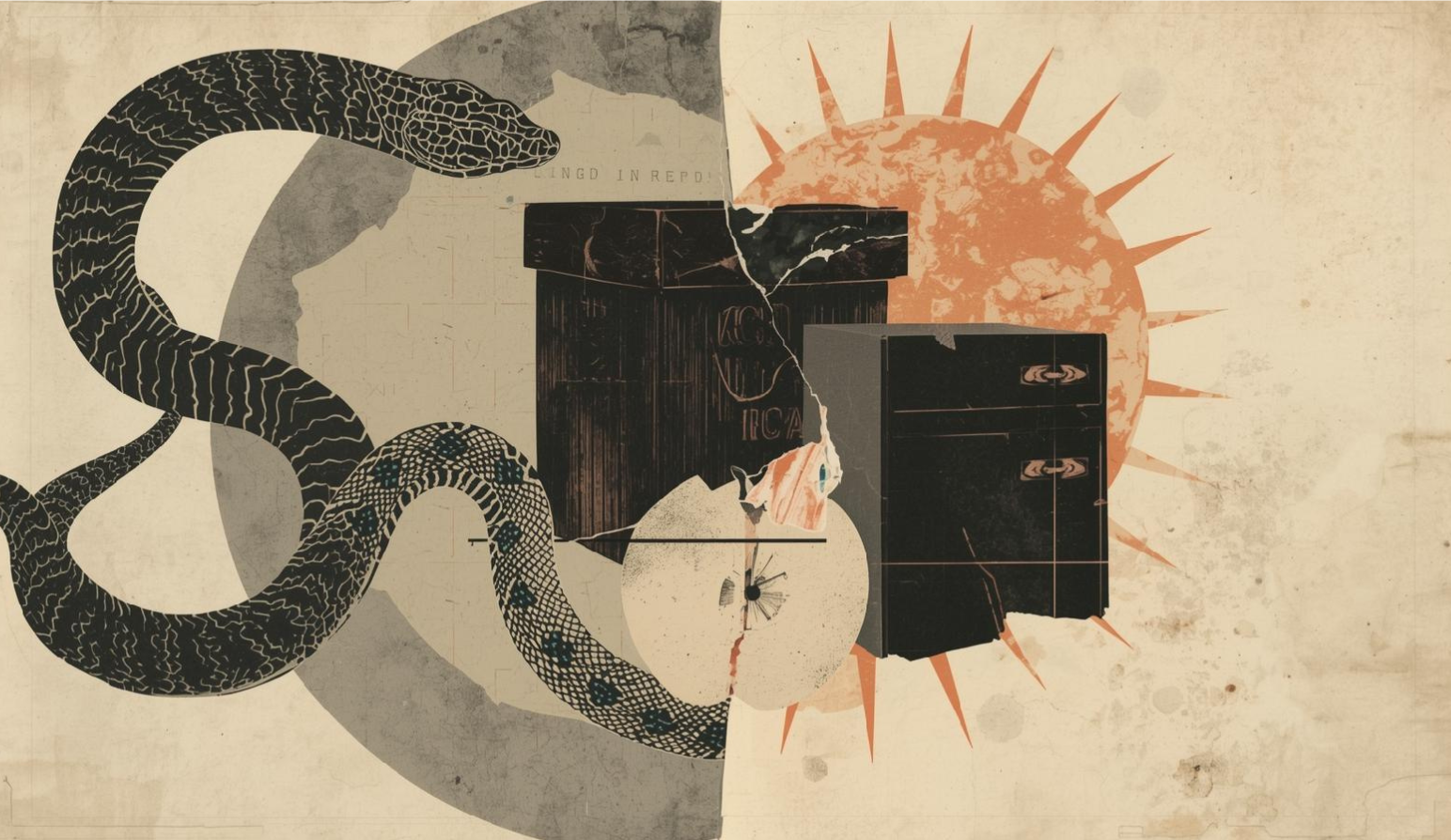
Across spiritual traditions, few experiences are described with as much reverence as Kundalini awakening. For centuries, it has been portrayed as a profound transformation of human consciousness, often symbolized as a dormant serpent rising through the body and awakening higher states of perception. Those who describe the experience frequently speak of overwhelming clarity, intensified energy, mystical insight, vivid dreams, synchronicities, expanded awareness, and a deep sense that reality has fundamentally changed. Life is rarely experienced in quite the same way afterward, making Kundalini one of the most compelling and widely respected concepts within the world’s mystical traditions.
There is little reason to dismiss these reports. Throughout history, people from different cultures, religions, and philosophical backgrounds have described remarkably similar experiences despite using different symbolic language. Whatever Kundalini represents, the transformation it describes is often genuine, deeply personal, and capable of altering the course of an individual’s life. The question explored in this article is therefore not whether Kundalini awakening is real. It is entirely possible for an experience to be authentic while still leaving important questions unanswered.
One of those questions quietly emerges from the lives of those who have already awakened. Despite profound shifts in consciousness, many continue searching. They pursue new teachers, deeper initiations, additional practices, higher states, fresh revelations, or more complete explanations. Many describe feeling transformed, yet somehow unfinished. Rather than dismissing this observation as personal failure or insufficient practice, the Sacred Anarchy framework approaches it as a structural question. Can a profound spiritual experience occur without fundamentally reorganizing the operating system that organizes perception? This article explores that possibility.
What Kundalini Traditionally Describes
Within the classical yogic tradition, Kundalini is understood as a latent spiritual energy residing at the base of the spine, often symbolized as a coiled serpent awaiting awakening. Through disciplined spiritual practice, devotion, meditation, ethical living, breathwork, or in some cases through spontaneous grace, this dormant energy is said to rise through the central channel of the body, activating the chakras and transforming consciousness. Although different schools describe the process with varying levels of detail, the central image remains remarkably consistent. Something long dormant awakens, ascends, and fundamentally alters the way reality is experienced.
This ascent is not traditionally understood as merely an increase in energy or emotion. It represents an expansion of awareness itself. As Kundalini rises, practitioners often describe heightened intuition, mystical perception, profound states of meditation, expanded compassion, spontaneous insight, and experiences of unity that transcend ordinary consciousness. Long-standing patterns may dissolve. Reality may feel more alive, interconnected, and luminous. The boundaries separating the individual from existence itself can appear to soften, giving rise to experiences that many describe as sacred, transformative, or beyond language.
For this reason, Kundalini has remained one of humanity’s most influential spiritual concepts. It offers a coherent framework for understanding experiences that have been reported across centuries by mystics, yogis, contemplatives, and spiritual practitioners. It acknowledges that human consciousness is capable of extraordinary transformation and provides symbolic language through which those transformations can be understood. Whether interpreted literally, psychologically, energetically, or metaphorically, Kundalini continues to resonate because it speaks to a possibility many people eventually encounter. Human awareness is not fixed. It can undergo profound and life-altering change.
Before exploring Kundalini through the Sacred Anarchy framework, it is important to appreciate why this tradition has endured for so long. It does not persist because of cultural momentum alone. It persists because countless individuals have undergone experiences that appear to confirm its central insight. Something awakens. Perception expands. Life is no longer interpreted in the same way it once was. Whatever conclusions different traditions draw from those experiences, the transformation itself deserves to be taken seriously.

Why Awakening Feels Like Completion
It is not difficult to understand why Kundalini awakening is so often experienced as a final destination. Few events transform human experience as thoroughly. Perception changes. Long-held beliefs dissolve. Ordinary experiences become infused with meaning. Energy may intensify throughout the body. Dreams become unusually vivid. Synchronicities appear with surprising frequency. Many people discover heightened intuition, profound states of peace, spontaneous creativity, or an unmistakable sense that reality is far larger than they once imagined. Relationships often change as priorities shift, identities loosen, and familiar ways of understanding the world no longer seem sufficient.
These changes are not merely intellectual. They affect the entire texture of lived experience. A person may feel as though they have crossed an invisible threshold into another world. Questions that once seemed important lose their urgency. New dimensions of perception appear to open. The ordinary boundaries separating inner and outer experience often become less rigid, giving rise to moments of unity, wonder, and profound insight. Because so much changes simultaneously, awakening naturally carries the feeling of completion. It can seem as though the search has finally reached its destination.
There is little reason to question the authenticity of these experiences. For many people, they become some of the most significant events of their lives. They reshape priorities, relationships, careers, beliefs, and the very sense of self. The transformation is often undeniable. The Sacred Anarchy framework does not reduce Kundalini to imagination, wishful thinking, or psychological projection. The experience is treated with the seriousness it deserves because its effects can be both immediate and enduring.
Yet another observation quietly emerges alongside these profound transformations. Many who awaken continue searching. They pursue new teachings, deeper initiations, more refined practices, or additional experiences that promise even greater realization. This does not necessarily diminish the awakening they have already undergone. It raises a different question. Is the feeling of completion the same thing as structural completion? Or can an experience radically transform consciousness while leaving the architecture that organizes consciousness fundamentally unchanged?
“A threshold reveals another world. Crossing the threshold reorganizes the one who perceives it.”
Angel Quintana
What Is a Threshold Event
Within the Sacred Anarchy framework, Kundalini awakening can be understood as a Threshold Event. A Threshold Event is an experience that reveals another mode of perception without necessarily reorganizing the operating system through which perception is interpreted. It may be profound, life-altering, and entirely real. It may open dimensions of awareness that were previously inaccessible. But revelation and reorganization are not the same thing.
This distinction matters because experience and architecture do not perform the same function. Experience changes what is perceived. Architecture determines how perception is organized afterward. A person may encounter expanded awareness, intense energy, mystical insight, synchronicity, or overwhelming unity, yet still interpret those experiences through identity, hierarchy, comparison, achievement, fear, or the need for further validation. The content has changed. The organizing structure may not have.
A Threshold Event can permanently alter how reality feels. It can expose the inadequacy of ordinary explanations. It can disrupt old assumptions and reveal that consciousness is capable of far more than the previous life allowed. In that sense, Kundalini awakening may mark a genuine threshold. Something has opened. Something has been seen. Something impossible to forget has entered awareness.
But a threshold is not the same as a crossing. A threshold reveals another possibility. It does not automatically stabilize the new operating condition. What matters after the event is not only what was experienced, but what continues organizing perception once the intensity passes. This is the central distinction. Awakening may change the landscape of experience, while the deeper architecture of perception remains intact.
When the Black Box Operating System Remains
Within the Sacred Anarchy framework, Kundalini awakening and structural reorganization are not assumed to be the same event. A Threshold Event can profoundly transform experience while leaving the operating system that organizes experience largely intact. This distinction does not diminish the awakening. It simply recognizes that experiencing reality differently and organizing reality differently are separate phenomena. One concerns what enters awareness. The other concerns the architecture through which awareness continues to interpret itself after the experience has passed.
This becomes easier to recognize by observing what often remains unchanged. Identity may still organize perception, only now around spirituality instead of ordinary life. Hierarchy may persist through ideas of higher and lower consciousness, advanced initiations, or levels of enlightenment. Comparison may continue, measuring one awakening against another. Performance may quietly return through the pursuit of becoming more awakened, more integrated, more enlightened, or more spiritually evolved. Seeking itself often survives, shifting its attention from worldly achievement to mystical attainment while preserving the same underlying movement.
In these cases, the content has changed, but the operating system interpreting that content has not. A conventional identity may become a spiritual identity. The language changes. The clothing changes. The community changes. The practices change. The stories people tell about themselves change. Yet the architecture that organizes those experiences may continue operating through the same patterns of identification, comparison, validation, and recursive participation. The operating system has not disappeared. It has simply acquired new material with which to organize itself.
This helps explain why awakening can feel simultaneously complete and incomplete. The experience itself may genuinely reveal another mode of perception. That revelation cannot be undone. Yet if the operating system remains intact, it immediately begins interpreting the awakening through its existing architecture. Identity incorporates the experience into its own story. The awakening becomes something to preserve, explain, defend, repeat, deepen, or achieve again. Instead of dissolving the organizing structure, the experience may become one more element that the structure organizes.
From this perspective, the question is no longer whether Kundalini awakening is authentic. The deeper question becomes what happened after the awakening. Did the experience merely change the contents of perception, or did it fundamentally alter the architecture through which perception continues to organize reality? Within the Sacred Anarchy framework, that distinction marks the difference between a profound Threshold Event and the deeper structural transformation explored in the Great Work.
“Kundalini can reveal realities the Black Box operating system has never encountered. It does not necessarily dissolve the operating system encountering them.”
Angel Quintana
Why Awakening Creates More Seeking
One of the most persistent mysteries in modern spirituality is what often happens after awakening. Rather than bringing the search to an end, profound spiritual experiences frequently become the beginning of an even more intense search. People seek higher teachings, deeper initiations, more advanced practices, new energetic transmissions, retreats, downloads, sacred technologies, certifications, teachers, and increasingly refined explanations of what they have already experienced. The question is not whether these pursuits have value. The question is why the search so often continues after an experience that felt complete.
Within the Sacred Anarchy framework, the answer is not that Kundalini awakening failed. On the contrary, the awakening may have revealed an entirely new horizon of perception. Once that horizon becomes visible, it is natural to become curious about what lies beyond it. The difficulty arises when expanded perception is mistaken for structural reorganization. An experience can reveal possibilities that the operating system has never encountered before while still leaving that operating system responsible for interpreting what has been revealed.
This is where the Kundabuffer becomes especially important. The Kundabuffer is the adaptive structure that absorbs new revelation without allowing it to fundamentally reorganize perception. Rather than rejecting awakening, it incorporates awakening into the existing architecture of identity. The experience becomes another possession, another achievement, another explanation, another confirmation of who the individual believes themselves to be. The revelation is accepted. The organizing structure remains.
Under these conditions, the search naturally continues. The operating system now seeks more spirituality instead of more conventional success, but the movement itself remains familiar. It continues pursuing completion through accumulation. More teachings. More experiences. More energy. More understanding. More confirmation. The object of seeking changes, yet the architecture of seeking persists because the operating system has not fundamentally changed.
Seen from this perspective, the continued search is not evidence that awakening was incomplete. It is evidence that revelation and reorganization are different processes. Awakening may reveal another mode of perception. The Kundabuffer can still organize that revelation into the existing structure of identity. Until the operating system itself begins to change, seeking remains active, even when what is being sought appears profoundly spiritual.
“The Kundabuffer does not reject awakening. It absorbs awakening into identity and continues the search.”
Angel Quintana
Thresholds Are Not Destinations
Within the Sacred Anarchy framework, Kundalini awakening is neither dismissed nor reduced. Its significance remains intact because the transformation it describes can be profound, life-changing, and impossible to reverse. The difference lies in how the experience is located. Rather than being understood as the final destination of spiritual development, Kundalini is understood as one Threshold Event among many. Its importance is not diminished. Its role within the larger process becomes more clearly defined.
Human history contains countless Threshold Events. Mystical visions. Near-death experiences. Moments of overwhelming revelation. The sudden collapse of a lifelong belief. The Dark Night of the Soul. Encounters that permanently expand awareness and alter the way reality is experienced. Each has the potential to reveal another mode of perception that was previously inaccessible. Each can profoundly change the direction of a person’s life. Yet none of these experiences, by themselves, necessarily determine what continues organizing perception after the event has passed.
This distinction helps explain why two people may undergo equally profound awakenings while continuing along very different paths. One may gradually move toward structural transformation. Another may spend decades accumulating increasingly extraordinary spiritual experiences without fundamentally changing the architecture through which those experiences are interpreted. The intensity of the experience does not, by itself, determine the depth of structural reorganization. Experience reveals. Architecture organizes.
A threshold should therefore not be confused with a destination. A threshold reveals that another possibility exists. It allows someone to see beyond the horizon of their previous world. Crossing that threshold, however, is something else entirely. Crossing requires more than revelation. It requires a reorganization of the operating system itself. Until that occurs, even the most extraordinary awakening can remain an experience interpreted from within the same underlying architecture.
This is why Kundalini continues to occupy such an important place within the Sacred Anarchy framework. It is one of humanity’s most powerful Threshold Events. It reveals possibilities that many people never imagined existed. But its greatest contribution may not be that it completes the journey. It may be that it reveals there is a journey still unfolding beyond the awakening itself.
What Actually Reorganizes Perception?
If awakening alone is not sufficient to reorganize the operating system, then a deeper question naturally emerges. What does? What actually dissolves the architecture through which perception has been organized for an entire lifetime? What transforms participation itself rather than simply expanding the range of experiences available within it? These questions move beyond the study of awakening and into the mechanics of structural transformation.
Within the Sacred Anarchy framework, the distinction begins with the Black Box. The Black Box is the adaptive operating system that organizes perception through identity, hierarchy, polarity, and recursive participation. It does not merely influence what a person believes. It determines how experience is interpreted before conscious thought begins. A profound awakening may illuminate realities the Black Box has never encountered before, yet the Black Box can still absorb those revelations into its existing architecture unless something more fundamental begins to change.
That deeper process is called the Great Work. The Great Work is not the accumulation of extraordinary experiences, higher states of consciousness, or increasingly refined spiritual knowledge. It is the gradual removal of the adaptive architecture that organizes participation within Amenta. As the Black Box loses its authority, perception is no longer interpreted through the same structures that once organized identity. The work is therefore architectural rather than experiential. It concerns the dissolution of the operating system itself rather than the intensity of what can be experienced within it.
This transformation eventually reaches what the Sacred Anarchy framework calls Crossing the Abyss. The Abyss is not simply another Threshold Event or a more dramatic awakening. It marks the point at which the operating system itself becomes structurally incompatible with continued participation in the architecture that once organized perception. Experiences alone do not produce this threshold. It emerges as the organizing structures themselves lose coherence and no longer provide a stable basis for interpreting reality.
The article does not attempt to explain those mechanics in full. Each represents a much deeper investigation into structural transformation than Kundalini awakening alone can address. For now, one distinction is enough. Awakening reveals another mode of perception. Structural reorganization changes the architecture through which every mode of perception is thereafter experienced. The difference between those two processes is the difference between standing at a threshold and crossing it.
“A spiritual identity can replace a conventional identity while leaving the architecture of identity completely intact.”
Angel Quintana
Kundalini awakening remains one of humanity’s most profound spiritual experiences. For countless people, it marks a genuine turning point that permanently expands awareness, transforms perception, and reveals dimensions of existence that previously seemed impossible. Its significance does not depend upon treating it as the final destination. It is significant because it reveals that human consciousness is capable of far more than ordinary perception suggests.
Within the Sacred Anarchy framework, awakening is understood as a Threshold Event. It opens perception. It expands awareness. It exposes another horizon. It reveals possibilities that were previously hidden from view. These are not small changes. They are often among the most meaningful experiences of a person’s life. Yet revelation alone does not necessarily reorganize the architecture through which revelation continues to be interpreted.
The deeper question therefore begins to change. Instead of asking, “Have I awakened?” the inquiry becomes, “What is organizing perception now?” Has the operating system itself begun to dissolve, or has awakening become incorporated into the same structures of identity, hierarchy, comparison, and seeking that organized perception before the experience occurred? The answer to that question determines whether awakening becomes another remarkable experience or the beginning of genuine structural transformation.
A profound experience can change your life.
A change in architecture changes the world through which life itself is experienced.
Related Articles
• Crossing the Abyss: The Frequency Shift that Ends the Game
• Why You Were Never Meant to Remember: The Primordial Waters of Nun
• What It Truly Means to Be an Initiate
Glossary
Field Tools

What you've just read is not a standalone article.
It is one fragment of a much larger cartography devoted to field mechanics, containment structures, intermediary systems, and the conditions required to exit them. Every essay published here belongs to the same architecture. Nothing exists in isolation.
These articles are intended to introduce individual ideas. The complete worldview emerges only when those ideas are assembled into a coherent landscape.
That landscape is The Living Atlas.

I'm Angel Quintana, creator of Sacred Anarchy and The Occult Château, and author of this body of work.
The Living Atlas is the official monthly publication of Sacred Anarchy and the primary point of entry into this cosmology. Each issue explores a single foundational concept through historical orientation, developmental analysis, and cosmological integration, allowing the larger architecture to reveal itself one volume at a time.
If this article raised more questions than it answered, it has done exactly what it was designed to do. The Living Atlas is where those questions continue.
If you're already reading The Living Atlas and want to move deeper into the mechanics behind the published work, the Keeper of the Keys Archive extends the cosmology through advanced transmissions and ongoing development.
Nothing here asks for agreement.
It asks only to be read carefully.