
PUBLICATION
Mapping the Mimic Culture of Amenta
The living publication of Sacred Anarchy. Through ongoing essays across culture, commerce, media, institutions, and living, it maps the patterns, relationships, and conditions that sustain the mimic culture of Amenta, helping readers recognize what is often hidden in plain sight.
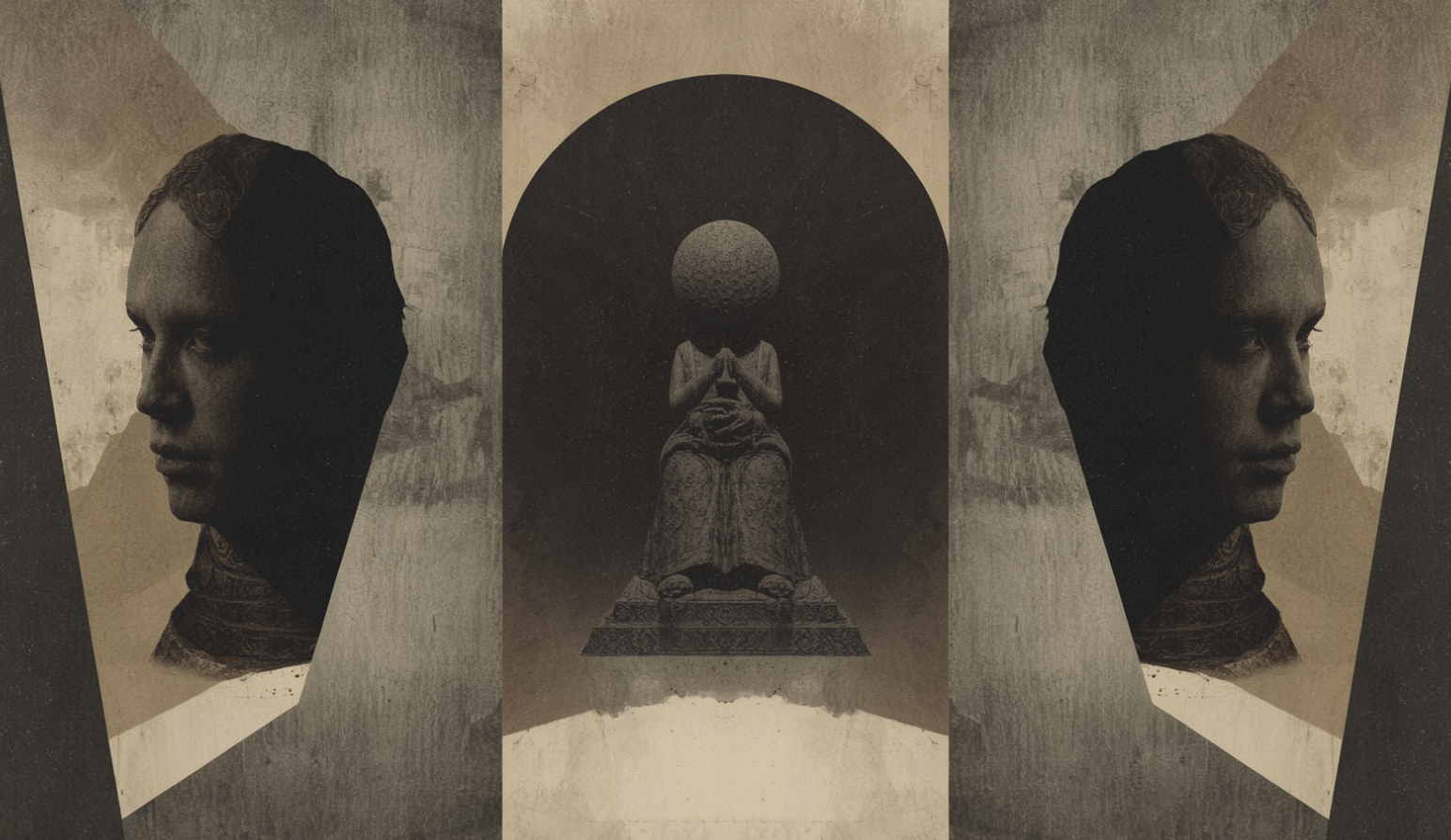
Egregores in Plain Sight: Seeing the Intermediaries We No Longer Notice
There is a peculiar characteristic shared by many of the most influential forces in human life. They become increasingly difficult to notice the longer they remain present. We rarely stop to examine the language we speak because it has accompanied us since childhood.
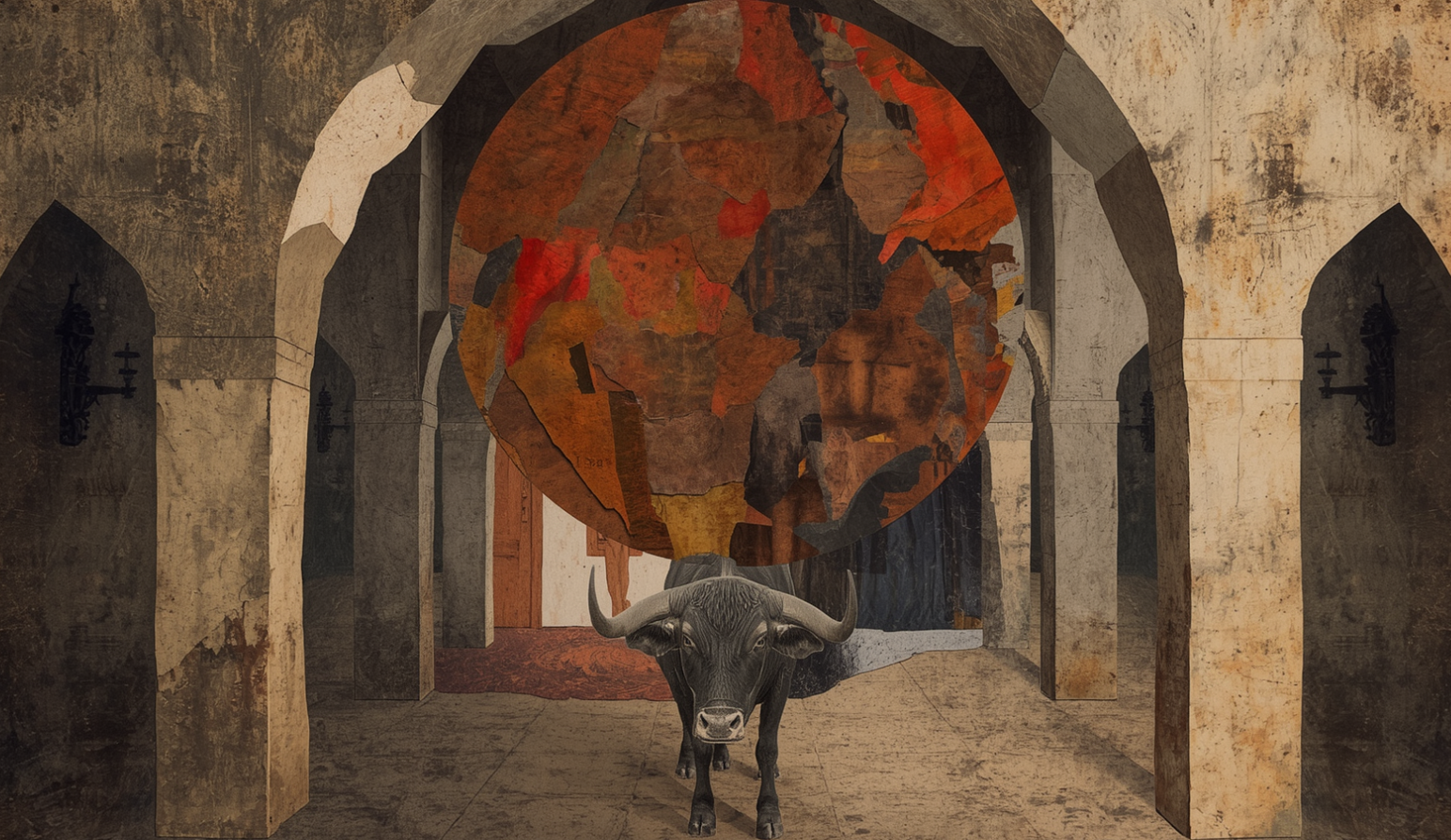
The Problem with the Modern Definition of Egregore
Ask ten books to define an egregore and the answers are often remarkably similar. An egregore is described as a collective thought-form, a psychic structure, or an energetic field generated through shared belief and sustained by the attention of a group.
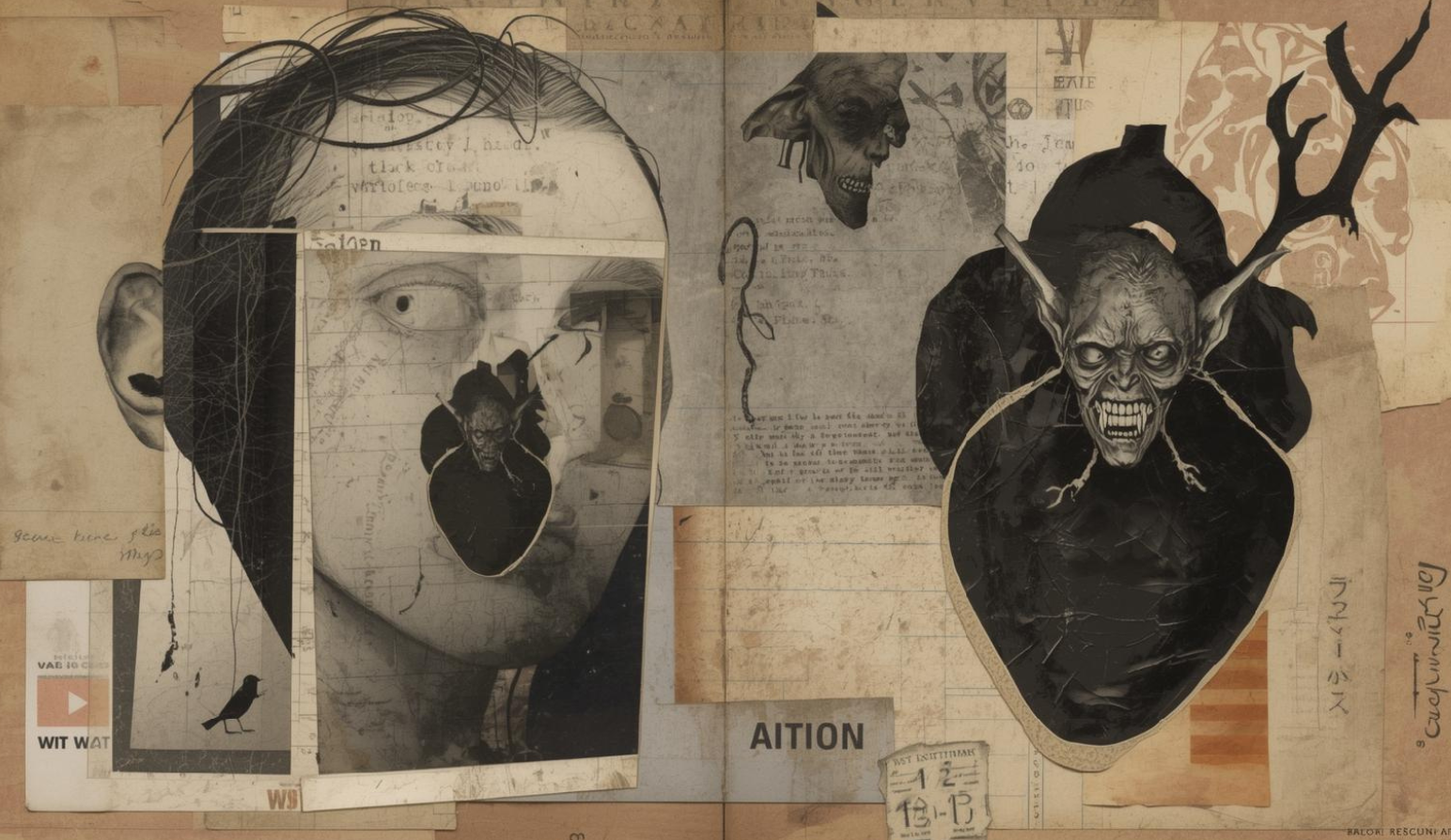
Egregores Today: How Collective Patterns Shape Human Experience
Some of the most influential forces in human life possess a peculiar quality. They are almost impossible to see precisely because they are so familiar. We are born into families that already possess traditions, values, and expectations. We inherit languages we never chose to speak.
History of the Egregore: From the Watchers to Collective Consciousness
Long before the word egregore entered the vocabulary of Western esotericism, human beings were already trying to describe influences they believed could not be reduced to individual people. These influences were rarely understood in the same way, nor were they given the same names.
Why Study Egregores? An Idea That Refuses to Disappear
The modern word egregore is surprisingly young. Its widespread use within Western esotericism can largely be traced to the French occult revival of the nineteenth and early twentieth centuries, where it came to describe a collective force emerging through shared thought, ritual, and participation.

Consider the Source: When Discovery Arrives from the Wrong Person
History is filled with moments when an important observation came from someone no one expected to make it. A patient notices a pattern before a diagnosis exists. A mechanic hears a sound engineers failed to recognize.
Authorized Reality: The Difference Between Knowing and Being Told
Very little of what shapes everyday life has been personally observed. Most knowledge arrives already organized. Children inherit explanations from parents. Students learn established conclusions in classrooms.
Watching the World Burn? The Spectator Class and the Illusion of Participation
Never before have so many people spent so much of their day watching lives they will never live. Political campaigns unfold in real time. Celebrity relationships become daily conversation.
Waiting for the Green Light? Permission Culture in the Age of Reassurance
Every meaningful decision contains a quiet moment that few people ever examine. It happens just before saying yes. Just before leaving a job, beginning a relationship, launching a business, making a purchase, or changing direction.
The Loneliness of Seeing: The Price of No Longer Belonging
The world rarely announces when perception begins to change. Morning traffic still fills the roads. Coworkers gather around the coffee machine. Families meet for dinner. Friends laugh at familiar jokes.
Frozen Connection: Still Together, Living on Memory
The end of a relationship is often imagined as a single moment. A painful conversation. A slammed door. Divorce papers signed across a table. Those endings are easy to recognize because something visibly changes.

Identity for Sale: The Curated Self and the Commercialization of Identity
There was a time when marketing belonged primarily to products. Businesses competed for attention, advertisements promoted what was being sold, and branding remained something that happened outside the individual.
Healing Forever: Recovery Culture and The Identity of Perpetual Repair
Few people begin a healing journey expecting it to last forever. They imagine recovery the way they imagine healing a broken bone or recovering from an illness. There is a period of care, adjustment, and attention, followed by a gradual return to life.
The Self-Help Machine Powered by Engineered Dissatisfaction
From the moment people begin making decisions for themselves, they are encouraged to become healthier, more productive, more disciplined, more confident, more emotionally intelligent, more financially successful, more spiritually aware, and more fulfilled.
Intellectual Obesity: Knowing More, Seeing Less
Modern culture has made learning easier than at any other point in history. A single afternoon can include a podcast on psychology, a documentary about history, a newsletter on business, an interview with a neuroscientist, a book summary, and a conversation with artificial intelligence.
Breakthrough Addiction: Always One Revelation Away
Almost everyone has experienced the feeling. You finish a book that seems to explain your entire life. A podcast suddenly makes everything click. A therapist offers a new perspective.
The Never-Ending To-Do List: Why Life Has Become Maintenance
Society is taught to think about change through the lens of addition. If something is not working, the solution is assumed to be something new. A new habit. A new strategy. A new expert. A new system.
Borrowed Superiority: Why Judgment Feels Like Achievement
Every day, millions of people rate, review, rank, react, critique, condemn, praise, and comment on things they did not originate. This behavior is so normalized that it rarely attracts scrutiny.
The Coping Industry: How Survival Becomes a Lifestyle
If you are like most people, you have been taught to adapt long before you were taught to investigate. When stress appears, you look for stress management. When anxiety appears, you look for anxiety reduction.
The Normalization of Suffering: Why Misery Stops Looking Unusual
From the beginning, life is presented as something that must be endured. You are told that struggle is part of the experience, that things take time, that growth requires discomfort, and that nothing meaningful comes easily.